
Your heating, ventilation, and air conditioning system maintains a comfortable temperature in your space, but it can also quickly drive up your monthly power bill. Both the system running for a longer period of time than it should and the air not moving in the appropriate direction are the two primary causes of energy waste. Fixing the problem is typically a simple process. In order to observe a difference, it is not necessary to be an expert or to purchase a new system. At home or at work, you can put these eight simple suggestions into practice with the help of this guide. Each piece of advice explains in layman’s terms what you should do and why it is effective. In addition, you will notice that there are additional checks that prevent issues such as obstructed airflow, leaking ducts, and dirty parts. Select two suggestions to begin with this week, and then add more as you progress through the week.
Set a Steady Temperature and Stop Chasing
Big temperature swings cost money. When you push the thermostat far up or down, the system runs longer to catch up. Long run times use more power and can wear parts faster. A steady setting keeps things more even.
Try this simple plan:
- Pick one setting for when people are home.
- Move it only 1–2 degrees at a time.
- Wait a full day before changing again.
- Do not “crank it” hoping it works faster. It won’t.
Technical note (kept simple): your HVAC has a coil inside that must absorb or release heat. When you demand a big change, that coil has to work longer. The fan also runs longer to move air across it. Steady targets shorten the total time the system needs to run.
Let a Schedule Handle Changes for You
If your place is empty for hours, your HVAC does not need to hold the same temperature all day. A schedule helps you save without thinking about it each time.
Use a programmable or smart thermostat if you can. If not, you can still follow a routine.
Use these basic steps:
- Set a “home” time and an “away” time.
- During away time, raise the cooling setting a few degrees.
- During the winter, lower the heating setting a few degrees.
- Set the change to start before you return, not at the last minute.
Why it works: the HVAC spends fewer hours fighting outdoor heat or cold. That lowers total run time. It also reduces short cycling, which is when the system turns on and off too often. Short cycling wastes power and can make rooms feel uneven.
Change Air Filters Before They Get Dirty
A dirty filter is one of the biggest causes of wasted energy. When it clogs, air has a harder time getting through. The fan must work harder, and less air reaches your rooms.
Do this to keep airflow strong:
- Check the filter once a month.
- Replace it when it looks gray or packed with dust.
- Make sure the arrow on the filter points the right way.
- Do not buy the “tightest” filter unless your system can handle it.
Simple tech info: when airflow drops, the system can’t move enough air across the indoor coil (often called the evaporator coil). In the cooling season, that coil can get too cold and may ice up. Ice blocks airflow even more, which makes the system run longer and waste more energy. A clean filter helps the whole system breathe.
Seal Duct Leaks to Keep Air Inside
Ducts carry treated air to your rooms and pull air back to the system. If ducts leak, you can pay to cool or heat places you never use, like an attic or crawl space. Return leaks can also pull in hot, dusty, or damp air. That makes the system work harder.
Look for these warning signs:
- One room always feels warmer or cooler than others.
- Dust builds up fast near vents.
- You hear whistling or rushing air in walls or ceilings.
What you can do:
- Check visible duct joints near the air handler.
- Seal small gaps with mastic or foil HVAC tape.
- Fix loose connections and torn insulation.
If you’re already improving your space, it’s a good time to check ducts too. Space Coast AC, LLC offers refinishing services, and many people schedule airflow checks during home updates so the work happens in one stretch.
Keep the Outdoor Unit Clean and Clear
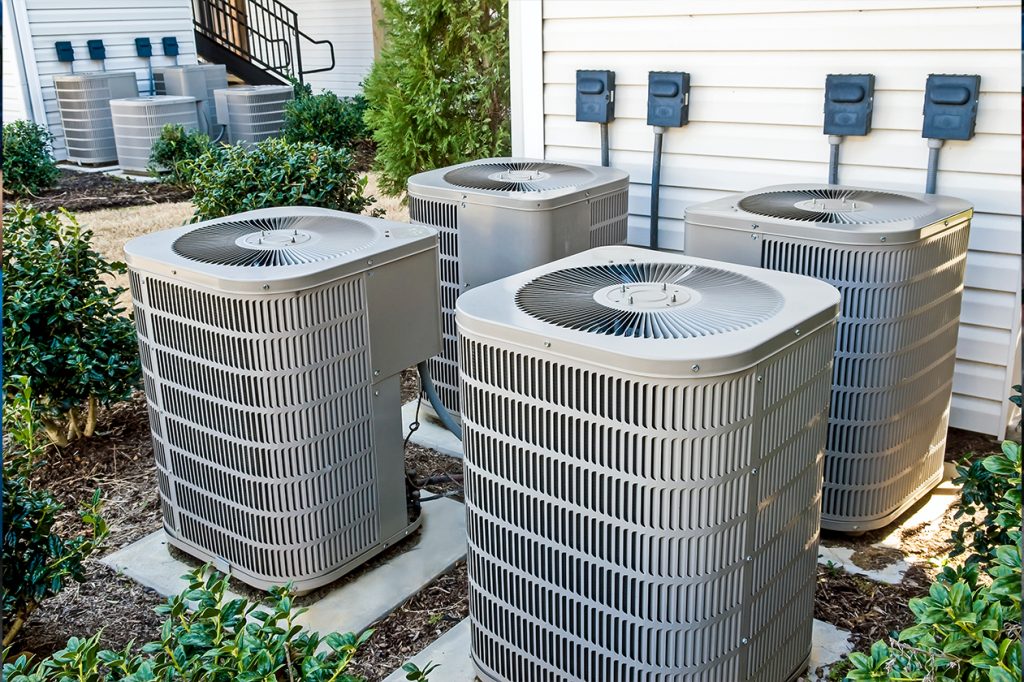
Your outdoor unit needs open space to move heat. If it is blocked by weeds, leaves, or stored items, it cannot move air well. When airflow is blocked, the system runs longer and uses more power.
Use this quick checklist:
- Keep about two feet of space clear on all sides.
- Remove leaves from the top and around the base.
- Trim plants so nothing touches the unit.
- Turn off the power and rinse the fins with a gentle hose spray.
Additionally referred to as the condenser coil, the outdoor coil is responsible for releasing heat during the cooling season. When it is dirty, heat is unable to pass through it as quickly. Every time there is an increase in the pressure within the system, the compressor has to exert more effort. This consumes a greater amount of energy. As long as the air around the system is clean, it will be able to perform the same function with less effort.
Use Fans to Feel Cooler, Spend Less
Fans cost far less to run than an HVAC system. They do not cool the air like an AC, but they help your skin lose heat. That makes you feel cooler, so you can set the thermostat a little higher.
Use fans the smart way:
- Run a fan only in rooms people are using.
- Turn it off when the room is empty.
- In warm months, set ceiling fans to spin counterclockwise.
- Try raising the thermostat 1–2 degrees and see if comfort stays the same.
Why it works: A small thermostat change can cut HVAC run time. Fans make that change feel easier. This is one of the fastest ways to lower energy use without changing equipment. If one room always feels stuffy, though, the real problem may be weak airflow from ducts or a closed vent.
Block Sun and Fix Small Air Leaks
Sunlight through windows can heat a room fast. Small gaps around doors and windows also let treated air leak out. When that happens, your HVAC has to run longer to hold the set temperature.
Try these low-cost steps:
- Close blinds on the sunny side during the hottest hours.
- Use thicker curtains in rooms with large windows.
- Add weatherstripping on drafty doors.
- Caulk small cracks around window trim and wall openings.
Simple tech info: heat moves from hot areas to cooler areas. The sun warms the glass, then that heat moves into your room. Leaks make it worse because outdoor air keeps sneaking in. When you block the sun and seal gaps, you lower the heat load. That means your HVAC does less work to keep the room steady, which cuts energy use over time.
Get a Checkup to Catch Problems Early
Small HVAC issues can raise energy use without a big warning sign. A system may still run, but it may run longer than it should. A basic checkup helps find problems before they turn into costly repairs.
A good visit often includes:
- Checking the temperature change across the system.
- Cleaning coils if dirt is heavy.
- Testing parts like the capacitor and contactor.
- Clear the drain line so water can flow out.
- Checking refrigerant levels if signs point to a leak.
Simple tech info: low refrigerant is often caused by a leak, not “normal use.” Low refrigerant can reduce cooling and raise run time. Dirty coils also slow heat transfer, which makes the system work harder. A checkup keeps the system running closer to how it was meant to run.
Wrap-Up and Next Steps for Lower Bills
Running your HVAC less and ensuring the air flows efficiently can help you save energy. To get the most out of your time, maintain the outside unit clear, set a consistent temperature, and change the filters on time. Next, do things that are a little harder, like sealing up holes in the ducts and keeping the sun out of the windows. These steps help your system heat and cool more easily. Do you need help discovering leaks, fixing airflow problems, or other things that need to be fixed? Call Space Coast AC, LLC and ask them to check the energy use of your HVAC system. Do it now so that you can start noticing decreased bills in the next few cycles.