
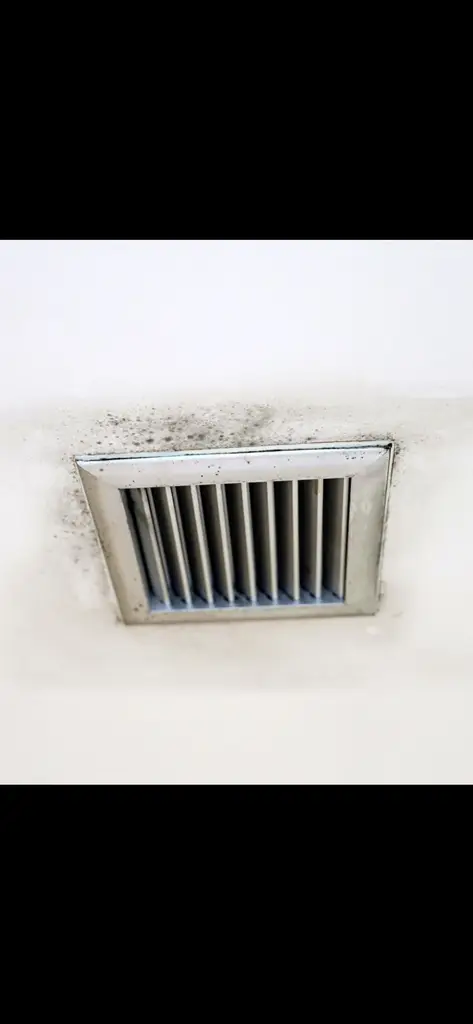
A Florida air conditioner does more than cool your home. For much of the year, it is also one of the main tools keeping indoor humidity in check. When moisture lingers around the system, mold can find a foothold in places homeowners rarely see – the drain system, evaporator area, insulation, and nearby surfaces. The best HVAC mold prevention is not a single spray or a quick filter change. It is a steady approach to moisture control, clean airflow, and prompt repairs.
For homeowners along the Space Coast, that matters even more. Long cooling seasons, heavy afternoon rain, coastal humidity, and salt-air exposure place extra demands on AC equipment. A little attention before a small drainage or airflow problem grows can protect your comfort, your equipment, and your home.
Why HVAC Systems Can Develop Mold Problems
Mold needs moisture, a food source, and enough time to grow. Your HVAC system naturally creates condensation as warm indoor air passes over the cold evaporator coil. Under normal conditions, that water drains safely through the condensate line and out of the home. Problems start when the moisture does not leave as intended.
A clogged drain line, dirty coil, weak blower performance, oversized equipment that short-cycles, or a thermostat setting that leaves the home humid can all create favorable conditions. Dust and debris can also collect on damp surfaces, giving mold something to feed on. The goal is not to eliminate every trace of moisture from an air conditioner. It is to keep water moving, surfaces drying, and humidity at a healthy level.
Not every musty smell means there is a major mold issue, and not every spot of growth means the entire system needs replacement. An honest inspection should identify the source first. That is the difference between a practical repair and an expensive recommendation that does not solve the underlying moisture problem.
Best HVAC Mold Prevention Starts With Humidity
In a Florida home, relative humidity is often the deciding factor. Most homes are generally most comfortable when indoor humidity stays around 40% to 55%. Once humidity regularly climbs above 60%, rooms can feel sticky even when the thermostat is set low, and mold risk rises on cool surfaces.
Your AC should remove moisture while it cools. If the home feels clammy, the system runs very short cycles, or certain rooms stay damp, the issue deserves attention. It may be related to equipment sizing, airflow, refrigerant performance, thermostat setup, or a maintenance concern. Running the thermostat colder is not always the answer. It can increase operating costs without fixing why the system is not dehumidifying properly.
Use kitchen and bathroom exhaust fans when cooking or showering, but do not leave them running all day. Check that windows and exterior doors close tightly, especially during humid weather. If you use a portable dehumidifier in a persistently damp room, treat it as a clue to investigate the room and HVAC system rather than a permanent substitute for correcting the cause.
Keep an Eye on Temperature Setbacks
Turning the AC way up while you are away can allow humidity to build quickly inside a Florida home. A moderate setback may save energy, but the right setting depends on how well the house is sealed, whether anyone is home, and how the system performs. For vacant seasonal homes, humidity monitoring is especially useful. A simple hygrometer can alert you to a problem before you return to a musty house.
Protect the Condensate Drain System
The condensate drain line is one of the most common places where a minor HVAC issue becomes a water and mold concern. Algae-like buildup, sludge, and debris can restrict the line over time. When water backs up, it may trigger a safety switch, cause the AC to stop cooling, or overflow into areas around the air handler.
Look around the indoor unit periodically for standing water, staining, rust, or damp insulation. If your system has a visible drain outlet outside, watch for normal dripping while the AC runs on humid days. No water at all is not automatically a problem, but it can be worth asking about if the system is cooling heavily and indoor humidity is high.
Routine professional maintenance should include checking the drain pan, clearing the drain path as appropriate, and confirming that safety controls are working. This is not a detail to skip. Catching a slow drain before it overflows is usually far easier and less costly than repairing water damage around the unit.
Maintain Airflow Without Overlooking the Basics
A neglected air filter does more than make your system work harder. It can restrict airflow across the evaporator coil, contribute to uneven temperatures, and interfere with moisture removal. Check your filter monthly during the busiest cooling months and replace it according to the filter type, household conditions, and manufacturer guidance. Homes with pets, frequent guests, or active construction nearby may need more frequent changes.
Avoid assuming that the highest-rated filter is always best. Very dense filters can create airflow problems if the system was not designed for them. The right filter balances particle capture with proper system performance. If you are unsure which size or rating fits your equipment, ask during service rather than guessing.
Keep supply vents and return grilles open and clear of furniture, rugs, or stored items. Closing off too many vents may seem like a way to direct cooling, but it can affect pressure and airflow throughout the home. Consistent airflow helps the system cool and remove moisture as designed.
Schedule Maintenance Before Small Issues Spread
The most reliable mold prevention plan includes professional HVAC maintenance at least once a year, with many Florida homes benefiting from attention before or during the heavy cooling season. A thorough visit is more than a quick glance at the thermostat. The technician should assess cooling performance, inspect accessible components for moisture concerns, check drainage, examine electrical connections, and identify wear that could lead to an unexpected breakdown.
Coastal conditions add another reason to stay ahead of maintenance. Salt air can speed up corrosion on outdoor equipment and components, which may eventually affect performance. Regular service gives you a chance to address developing issues on your schedule instead of waiting for the hottest week of summer.
Space Coast AC approaches these visits with clear explanations and practical recommendations. If a repair can correct the issue, homeowners deserve to hear that before being pushed toward replacement. If equipment is nearing the end of its useful life, the reasons should be explained in plain language, along with the options and expected costs.
Signs You Should Call for HVAC Help
A mold concern is worth addressing early, particularly if moisture is appearing around equipment or symptoms keep returning after basic housekeeping. Call for a professional inspection if you notice:
- A persistent musty odor when the system starts or runs
- Water near the indoor unit, ceiling stains, or a frequently tripped drain safety switch
- Sticky indoor air, condensation on vents or windows, or rooms that never feel dry
- Visible growth around the air handler, drain pan, or nearby building materials
- Reduced cooling, ice on refrigerant lines, or unusually short or long cooling cycles
If visible mold is widespread or water has affected drywall, insulation, or other building materials, HVAC service may be only one part of the solution. The moisture source needs to be corrected, and the affected materials may require qualified remediation. Simply masking an odor does not protect the home.
What Not to Do When You Smell Mold
Do not spray strong chemicals into the system, coat components with an unapproved product, or pour random cleaners into a drain line. Some products can damage equipment, create fumes, or fail to remove the buildup causing the problem. Likewise, do not ignore a musty odor just because the AC is still cooling. Cooling and moisture control are connected, but a system can do one reasonably well while struggling with the other.
Be cautious with automatic add-ons marketed as a cure-all. Some homes may benefit from specific indoor air quality equipment, but the value depends on the actual cause of the moisture or odor. Drainage, filtration, airflow, and humidity should be evaluated first. A good recommendation begins with what the home needs, not with the most expensive item available.
A dry, well-maintained system is one of the quietest forms of home protection. If your AC is leaving the house damp, producing unusual odors, or showing signs of water trouble, a timely inspection can bring back the comfortable, clean-feeling air your family should be able to count on.